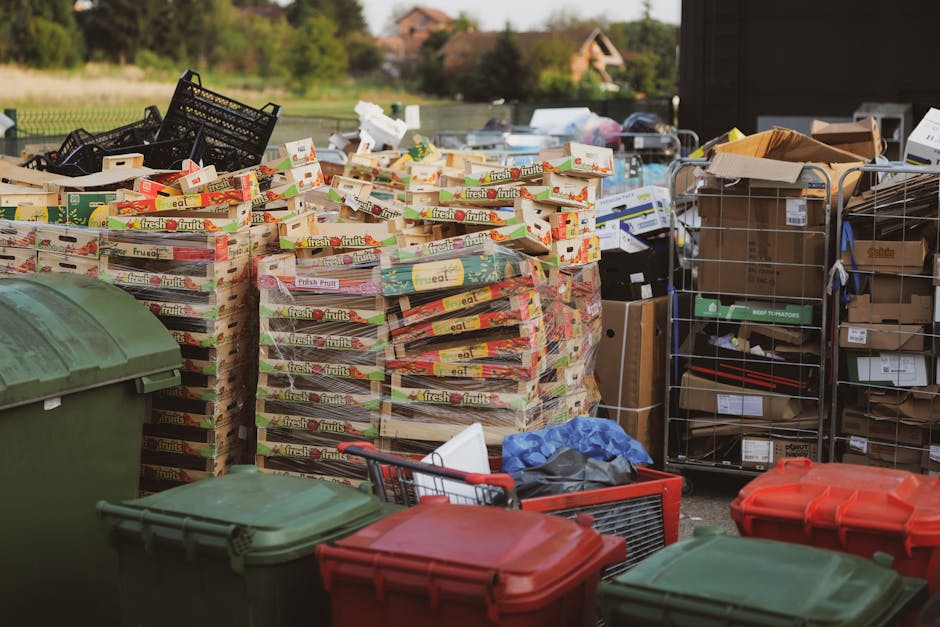
What to know about delays in Sydenham rubbish collection
Rubbish collection delays are one of those small problems that can quickly take over your day. One missed bin can mean overflowing bags by the kerb, a smell you notice every time you open the kitchen window, and that slightly frustrating feeling that your plans have been knocked sideways for no good reason. If you are trying to understand What to know about delays in Sydenham rubbish collection, the short version is this: delays are usually temporary, they often have a clear cause, and there are sensible steps you can take while you wait.
This guide explains why delays happen in Sydenham, what to expect, how to respond, and when it may make more sense to arrange a private clearance instead of waiting around. It also covers practical safety points, common mistakes, and a few local realities that tend to catch people out. Let's face it, rubbish rarely turns up at a convenient time.
Table of Contents
- Why delays in Sydenham rubbish collection matter
- How rubbish collection delays usually happen
- Key benefits of understanding the delay process
- Who needs this information and when it helps
- Step-by-step guidance when your collection is delayed
- Expert tips for a smoother outcome
- Common mistakes to avoid
- Tools, resources and recommendations
- Law, compliance and best practice
- Options and comparison table
- Case study or real-world example
- Practical checklist
- Conclusion
- Frequently asked questions
Why delays in Sydenham rubbish collection matter
On the surface, a delayed rubbish pickup sounds minor. In practice, it can affect hygiene, access, time, and even neighbour relations. In a busy street or a block of flats, a missed collection can mean bags being moved from one side of the pavement to the other, or wheelie bins left out for longer than anyone wants. That creates a knock-on effect. More mess. More pests. More stress.
It matters even more if you are clearing a property, moving out, managing a rental, or running a business. A delay can throw off a whole schedule. You may have decorators arriving, an end-of-tenancy handover, or a delivery team waiting for space to unload. Suddenly the bin issue becomes a logistics issue. Not dramatic, but annoying enough.
Understanding the causes helps you decide whether to wait, report the problem, or switch to a faster alternative. That is the real value here. Once you know what kind of delay you are dealing with, you can act without guessing.
Expert summary: The main thing to remember is that a delayed rubbish collection is usually a timing problem, not a permanent failure. The best response is calm, practical, and based on the type of waste, the property layout, and how urgently it needs to go.
How rubbish collection delays usually happen
There is no single reason rubbish collection gets delayed. In Sydenham, as in much of London, the most common causes are practical rather than mysterious. A vehicle may have broken down. Traffic may have slowed the round. Staff availability can change. Severe weather can make access difficult. Sometimes the issue is simply that the collection point was not reachable on the day.
Delays often fall into a few broad categories:
- Operational delays: A route runs late, a crew is short-staffed, or a vehicle needs attention.
- Access delays: Cars block the way, bins are left in the wrong spot, or gates are locked.
- Weather-related delays: Ice, flooding, high winds, or heavy rain can slow collections.
- Volume-related delays: Extra waste after holidays, clear-outs, or local disruption can put pressure on schedules.
- Sorting and contamination issues: If waste is mixed incorrectly, collections can sometimes be affected or refused.
To be fair, rubbish collection is a physical, ground-level service. It depends on roads, people, access, and timing. Things spill over. One blocked alley can put a whole stretch of work behind. That is just how it goes.
If the delay involves bulky waste or a larger property clearance, the problem may be more visible. Furniture piled near a doorway, garden waste stacked in sacks, or builders' rubble waiting to go can all create pressure. In those cases, a flexible service such as waste removal or a more specific option like house clearance may be a better fit than waiting for a standard pickup window.
Key benefits of understanding the delay process
Knowing what to expect saves time. That sounds obvious, but it really does. When people understand the normal pattern of a delay, they make better decisions, avoid repeat calls, and reduce the amount of rubbish that sits around unnecessarily.
The practical benefits are pretty straightforward:
- Less stress: You are not left wondering whether the collection has been cancelled.
- Better household hygiene: You can take steps to contain smell and mess.
- Smarter scheduling: You can decide whether to wait or book an alternative service.
- Fewer complaints: You contact the right place with the right details.
- Improved safety: You avoid moving heavy or awkward waste more than needed.
There is also a commercial angle. For landlords, shops, offices, and tradespeople, clarity around delays helps protect reputations and deadlines. A delayed waste pickup is much easier to handle when you already have a backup plan. That backup plan does not need to be fancy. Sometimes it is simply knowing which service can step in quickly, such as business waste removal for commercial premises or builders waste clearance for renovation debris.
Who this is for and when it makes sense
This information is useful for a lot of people, but especially for anyone who depends on timed waste collection and does not have the luxury of waiting days for things to sort themselves out.
- Homeowners: If the bin is full and there is no room to store rubbish indoors safely.
- Tenants: If you are trying to keep a flat tidy before an inspection or move-out.
- Landlords and letting agents: If a delay affects turnaround between occupiers.
- Businesses: If waste storage starts affecting customer areas, back entrances, or staff space.
- Builders and contractors: If a skipped collection slows a site down or blocks work.
- Older residents or busy households: If moving waste twice is simply not practical.
It also makes sense for people dealing with one-off clear-outs. A garage, loft, or garden can go from "we'll sort it later" to "we need this gone now" very quickly. If that sounds familiar, targeted services like garage clearance, loft clearance, or garden clearance may be worth considering instead of waiting on a delayed collection.
And yes, it is one of those situations where the smell tells the story before anyone says a word. A bin sat in summer heat for too long. You know the one.
Step-by-step guidance when your collection is delayed
If your rubbish collection in Sydenham is late, the best approach is simple and methodical. No drama needed.
- Check the collection day and time window. Make sure the waste was put out correctly and on the right day. A surprising number of issues come down to timing or placement.
- Look for local disruption. Road works, blocked access, severe weather, and parking problems can all affect whether a truck gets through.
- Confirm waste type and container rules. Mixed rubbish, oversized items, and incorrect sorting can cause a collection to be delayed or left behind.
- Keep waste secure. If possible, store bags safely away from pets, pests, and passers-by. Avoid leaving sharp or broken items loose.
- Document the issue. A quick note, photo, or timestamp can help if you need to report the delay.
- Contact the relevant service. Share the address, type of waste, where it was placed, and any obvious access issue.
- Decide whether to wait or switch. If the waste is building up and the delay is affecting living or working space, consider a private clearance option.
That last point matters more than people think. Waiting is fine if the waste is contained. Waiting is not fine if it is becoming a safety issue, a fire escape issue, or a neighbour dispute. There is a difference.
If the delay is affecting a property clearance, a planned move, or a business space, the most efficient next step may be a service designed around your schedule rather than a fixed collection route. For example, flat clearance can be more suitable where access is tight, while office clearance may help if workplace waste needs clearing fast and discreetly.
Expert tips for better results
Here is the part people often skip, even though it saves a lot of faff later. Small improvements make a real difference.
Put the waste where it can actually be collected
Bags tucked behind a car, loose cardboard in the wrong corner, or a bin half-blocked by a gate can all slow things down. The collection team may not be able to reach it safely. Clear access is not a nice-to-have; it is the thing that makes the collection possible.
Separate what can be recycled
Clean cardboard, metal, green waste, and reusable furniture should not be mixed with general rubbish if they can be avoided. Better separation makes collection easier and reduces the chance of contamination. It also helps with broader recycling and sustainability goals, which is increasingly part of sensible waste handling in the UK.
Keep fragile or sharp items packed properly
Broken glass, metal offcuts, and renovation waste should be boxed or bundled safely. No one wants a punctured bag leaking out across a pavement. It is messy, and frankly avoidable.
Have a fallback plan for bulky items
One delayed collection can become three if you are trying to move sofas, wardrobes, or garden cuttings without the right service. Having a fallback option matters. A properly arranged furniture disposal or furniture clearance service may be easier than juggling heavy items yourself.
Ask about timing, not just availability
Lots of people ask, "Can you do this?" The smarter question is, "When can it actually be done?" There is a difference between being booked and being useful.
Common mistakes to avoid
A few repeat mistakes make delays worse than they need to be. If you avoid these, you are already ahead of the curve.
- Leaving waste in the wrong place: If crews cannot reach it easily, the collection may be missed.
- Mixing prohibited items with standard rubbish: Some waste types need separate handling and can delay the rest.
- Ignoring early warning signs: If the bin is already overflowing, don't wait until it becomes unmanageable.
- Assuming someone else will sort it: A missed collection often needs follow-up. Otherwise it just sits there.
- Trying to move dangerous waste by hand: Heavy rubble, broken fittings, and awkward furniture can cause injury.
- Booking too late: If you know you need a clearance before a deadline, leave slack in the schedule.
One common headache is builders' debris left after a job has technically finished. It is easy to assume it will all disappear with the next pickup. Sometimes it won't. For those situations, builders waste clearance is often the cleaner solution.
Tools, resources and recommendations
You do not need a toolbox full of apps or fancy systems. A few simple tools are enough for most people:
- Your phone camera: Useful for documenting the condition of the waste and the pickup point.
- A note app or calendar: Helps you track the scheduled collection date and any follow-up contact.
- Strong sacks or bins: Reduces the chance of spillage while you wait.
- Basic gloves and bin liners: Handy for moving or securing waste safely.
- Measuring tape: Useful if you are arranging removal of bulky items and need to estimate access.
For clearer planning, think in terms of waste type and urgency. A few examples:
| Situation | Best approach | Why it works |
|---|---|---|
| Regular household bins delayed by a day or two | Wait, secure waste, and monitor updates | Usually a short-term operational issue |
| Large pile of mixed household items | Consider home clearance | Useful when a standard bin collection will not be enough |
| Business premises with waste building up | business waste removal | Helps keep the site compliant and presentable |
| Furniture or bulky household items | furniture clearance | Better for large, awkward, or heavy items |
| Waste from a renovation or trade job | builders waste clearance | Designed for construction-related debris |
If you want to understand service standards, prices, or what is included before booking, it helps to review pricing and quotes and the company's recycling and sustainability approach. That gives you a better feel for how waste is likely to be handled, which, to be fair, is something people care about more than they used to.
Law, compliance, standards, or best practice
Waste handling in the UK sits within a framework of responsibilities around safety, proper disposal, and environmental care. You do not need to become a legal expert to manage a delayed rubbish collection, but you do need to avoid casually dumping waste, blocking access routes, or leaving hazardous materials where they create risk.
Best practice usually includes the following:
- Keep waste contained: Bags, bins, and covered storage reduce pest and spill problems.
- Do not place hazardous items with general rubbish: Sharp objects, chemicals, and contaminated items need extra care.
- Maintain access: Collection teams should be able to reach waste safely without obstruction.
- Document and communicate: Clear records help if a delay needs to be reviewed.
- Use the right service for the right waste: Household rubbish, garden waste, furniture, office items, and builders' debris do not all behave the same way.
For private clearance work, it is sensible to choose a provider that takes health and safety seriously. That includes practical handling of loads, suitable vehicles, and clear operating procedures. You can also review pages such as health and safety policy, insurance and safety, and terms and conditions to understand expectations before booking.
If you are dealing with a flat, shared entrance, or narrow stairwell, extra caution matters. Access problems can cause delays not because anyone is careless, but because the route itself is awkward. That is normal. It just needs planning.
Options and comparison table
When collection is delayed, you generally have three main choices: wait, report, or switch to a private clearance. Which one makes sense depends on how urgent the waste is and how much space you have left to live or work comfortably.
| Option | Best for | Pros | Drawbacks |
|---|---|---|---|
| Wait for the delayed collection | Small, contained household waste | No extra booking needed; simplest option | Can be frustrating if the delay stretches on |
| Report the issue and follow up | Missed or unclear collections | May resolve the delay without extra cost | Still depends on availability and response time |
| Book a private clearance | Bulky, urgent, or mixed waste | Faster, more flexible, and tailored to the job | Usually involves a quoted service |
In practical terms, if your waste is starting to affect your day, a private service can be the calmer option. A delayed bin collection is one thing. A hallway full of furniture or a garden stacked with bags is another.
For awkward residential clearances, flat clearance, loft clearance, and garage clearance can be more useful than trying to wait out a system delay that may not suit your timeline.
Case study or real-world example
Here is a realistic example. A household in Sydenham had a normal collection delayed after a week of heavy rain and traffic disruption. At first, they assumed the bin would be taken the next day. Fair enough. But the waste included kitchen bags, some broken packaging, and a few bulky items from a room clear-out.
By the second day, the back yard felt cramped and the smell was creeping in, especially by late afternoon. Instead of leaving everything to build up, they separated the standard bin waste from the bulky items, secured the bags, and arranged a quicker solution for the larger pieces. That meant less mess on the property and less pressure on the next scheduled collection.
The useful lesson is not that every delay needs a private service. It doesn't. The lesson is that mixed waste changes the equation. If the delay is only affecting one bin, you can usually wait. If you have furniture, garden material, or renovation waste in the mix, it is often better to act sooner.
That kind of judgement call is common. People think they need a perfect answer. Usually they just need a workable one.
Practical checklist
Use this quick checklist if your Sydenham rubbish collection is delayed:
- Confirm the scheduled day and whether the waste was placed out correctly.
- Check for access issues such as parked cars, locked gates, or blocked paths.
- Look at the waste type and make sure it matches collection rules.
- Keep rubbish contained, covered, and away from pets or children.
- Photograph the setup if you may need to report the delay.
- Ask whether the delay is temporary, weather-related, or route-related.
- Separate bulky items from general rubbish where possible.
- Consider whether a clearance service would be faster and more suitable.
- Review pricing, safety, and disposal standards before booking anything new.
- Act early if the delay is affecting hygiene, access, or safety.
That list is simple on purpose. In real life, simple is what you want when the bins are already becoming a nuisance.
Conclusion
Delays in Sydenham rubbish collection are inconvenient, but they are usually manageable when you know what to look for. The key is to understand whether you are dealing with a brief operational delay, an access problem, or a bigger waste issue that needs a more flexible solution. Once you identify the type of delay, the right next step becomes much clearer.
For small domestic issues, patience and good housekeeping often do the trick. For bulky, mixed, or urgent waste, a private clearance can save time, protect hygiene, and reduce stress. Either way, the aim is the same: keep your space safe, usable, and under control. That alone makes the whole thing feel less annoying, which is no small thing on a busy week.
Get a free quote today and see how much you can save.
If you want to understand the team behind the service, you can also learn more about about us or get in touch through the contact page when you are ready to talk through your waste removal needs.
Frequently Asked Questions
Why is my rubbish collection delayed in Sydenham?
Delays usually happen because of access problems, traffic, weather, staffing changes, or route disruption. Sometimes the bin was not placed correctly or the waste type did not match the collection rules.
How long should I wait before reporting a missed collection?
It depends on the situation and the expected collection window. If the service is clearly late and the waste is causing problems, it is sensible to report it rather than assume it will sort itself out.
What should I do with rubbish while I'm waiting?
Keep it contained, covered, and away from doors, pets, and footpaths. If possible, separate food waste and sharp items so they do not create extra mess or safety risk.
Can a delay affect bulky items as well as bin waste?
Yes. Bulky items can be more difficult to collect if access is poor or the route is disrupted. In those cases, a dedicated service such as furniture clearance or house clearance may be more practical.
Will a delayed collection happen again next week?
Not necessarily. Many delays are temporary and linked to a single operational issue. If the same problem keeps happening, though, it is worth reviewing access, placement, and whether another service would suit better.
What if my rubbish is starting to smell?
That is a sign to act quickly. Move food waste into sealed bags if it is safe to do so, keep bins closed, and avoid leaving rubbish in warm, enclosed areas for long periods.
Is it better to wait or book a private waste removal service?
If the waste is small and contained, waiting may be fine. If it is bulky, mixed, or getting in the way, a service like waste removal can be a faster and less stressful option.
Can delays happen with business waste too?
Absolutely. Business waste delays can be especially inconvenient because they affect appearance, storage, and sometimes staff movement. Business waste removal is often the better choice when timing is important.
How can I reduce the chance of collection problems?
Put waste out on time, leave it in a clear and accessible spot, separate waste correctly, and avoid blocking collection points with cars or other obstacles.
What if my waste includes construction or renovation debris?
Builders' waste can be heavier, messier, and more likely to need specialist handling. In that case, builders waste clearance is usually the safer and more efficient route.
Are delays a sign that I need a full clearance instead?
Sometimes, yes. If one missed collection leaves you with a backlog of furniture, household clutter, or garden waste, a full or partial clearance may be the cleaner solution.
Where can I learn more about service standards and policies?
You can review the company's health and safety policy, insurance and safety information, pricing and quotes, and recycling and sustainability approach to get a clearer picture before booking.