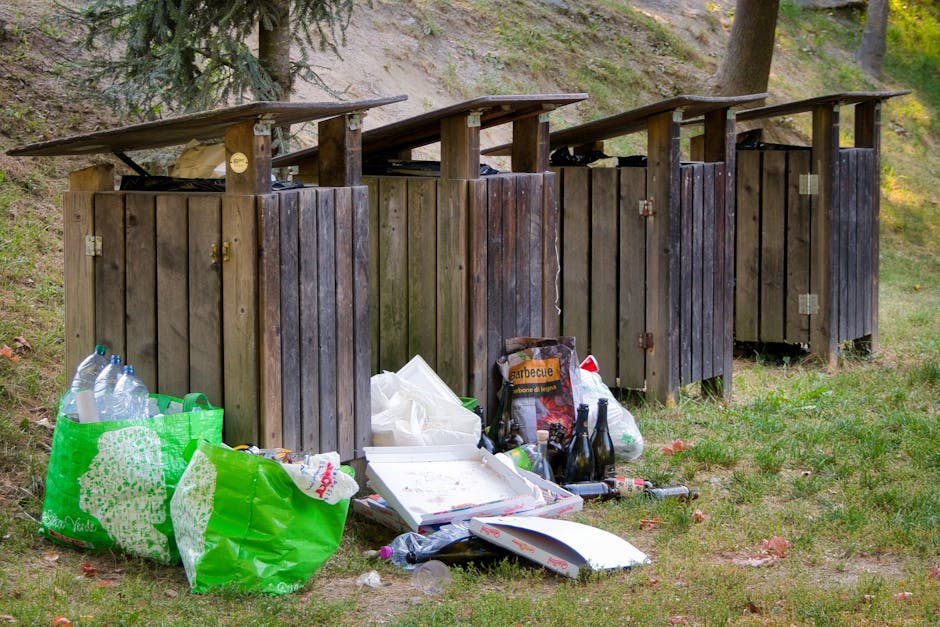
Crystal Palace Park rubbish pickup rules for Sydenham events: a practical guide for organisers and local teams
Planning an event near Crystal Palace Park and keeping the site tidy afterwards can feel more complicated than it first looks. One minute you are sorting volunteers, signage, and timings; the next you are staring at bin bags, catering waste, and a grounds team asking what gets collected, when, and by whom. If you are trying to understand Crystal Palace Park rubbish pickup rules for Sydenham events, this guide pulls the practical bits together in plain English.
We will look at how rubbish pickup usually works around park-based and local Sydenham events, why the rules matter, what to arrange before the last guest leaves, and how to avoid the classic mistakes that cause awkward phone calls the next morning. Truth be told, most problems are not about big disasters. They are about small gaps: no labelled waste stations, no agreement on collection time, or a rubbish pile left in the wrong place at the wrong hour. That part is avoidable.
Where relevant, you will also find simple compliance pointers, a realistic checklist, and some judgment calls that help when you are balancing tidiness, safety, and costs. If you need help with wider clearances or event-related waste removal support, you can also review the company's recycling and sustainability approach and pricing and quote information.
Why Crystal Palace Park rubbish pickup rules for Sydenham events matter
Rubbish pickup rules are not just a housekeeping issue. They shape how safe, pleasant, and professional an event feels. At Crystal Palace Park, the surrounding environment and visitor traffic mean waste has to be handled with a bit more care than a straightforward indoor booking. If bins are overloaded, bags are left beside barriers, or food waste is not separated properly, the site can quickly look messy and attract complaints.
For Sydenham events, that matters because many organisers are working across public space, foot traffic, nearby roads, and a mix of formal and informal event activity. You may be dealing with traders, performers, caterers, or community groups all at once. A tidy rubbish plan stops the cleanup becoming the last stressful thing on your list. And let's face it, the last thing anyone wants at 11 p.m. is a half-tied bag of soggy cardboard blowing across a path.
There is also a reputational angle. A good waste plan signals that the event was responsibly run. That can affect future permission, community goodwill, and how park staff or local partners feel about working with you again. It sounds minor until it is not. Small detail, big impression.
Practical takeaway: treat rubbish pickup as part of the event design, not as an afterthought. If you plan waste routes, collection timing, and segregation early, everything else is easier.
If your event team wants a broader sense of service quality, you may find the company's about us page useful for understanding how they approach local work and customer care. For general questions, the contact page is the natural next step.
How Crystal Palace Park rubbish pickup rules for Sydenham events works
In practical terms, rubbish pickup usually follows a simple chain: event waste is gathered at source, moved to a designated holding point, and then collected at an agreed time by the responsible team or contractor. The details vary depending on the event size, site access, and whether you are dealing with general waste, recycling, food waste, or bulky leftovers.
Most of the work happens before the collection vehicle turns up. That is where event organisers decide:
- what bins or sacks are needed
- where guests, traders, and staff should dispose of waste
- who will monitor bin levels
- where waste will be stored before pickup
- what time the pickup should happen to avoid disruption
For Sydenham events near Crystal Palace Park, a sensible plan also accounts for pedestrian flow, lighting, and the practical reality of people leaving in a rush. Waste collection points should not block exits or create trip hazards. If the event ends in the early evening, the site may feel quiet and manageable. If it closes later, visibility, noise, and vehicle access become more sensitive. That is where good coordination matters most.
You may also need to separate materials. Mixed waste is easy, yes, but it is often the least tidy option and can raise disposal costs or recycling issues. Cardboard from stalls, plastic cups, food packaging, and leftover decor all behave differently in practice. The key is to keep the system easy enough that people actually use it. Fancy signage is lovely. Clear signage is better.
In some setups, a house clearance or clearance-style team is called in to remove event waste after breakdown. If so, it helps to understand the provider's health and safety policy and insurance and safety information before agreeing the arrangement. That gives you a more realistic view of how they work and what standards they follow.
Key benefits and practical advantages
Getting rubbish pickup right does more than keep the site clean. It makes the whole event run better. Organisers often notice the difference most in the final hour, when everyone is tired and trying to leave. A clear waste plan reduces confusion and speeds things up.
Here are the biggest benefits:
- Cleaner public areas: less litter around paths, grass, and entrances.
- Safer movement: fewer bag piles, loose boxes, or sharp items left around.
- Better recycling outcomes: when materials are separated properly, more can be diverted from general waste.
- Less disruption after the event: crews can clear faster if waste is grouped sensibly.
- Stronger local relationships: park users, residents, and staff see that you took responsibility seriously.
There is a quieter benefit too: fewer surprises. With a proper plan, you are less likely to discover that a skipped collection, overflowing bin, or late vehicle has created a problem nobody budgeted for. That kind of thing always happens at the worst moment. Usually when you are already carrying a clipboard and a cold coffee.
Another advantage is that good waste management can support more accurate planning for future events. If you know how much rubbish a previous Sydenham event generated, which waste streams were most common, and where bottlenecks appeared, your next booking becomes calmer and more efficient. Small learning, but useful.
Who this is for and when it makes sense
This topic is relevant to a wide range of people. If you are responsible for any part of an event near Crystal Palace Park, you are probably in the right place.
- Community event organisers managing local fairs, school gatherings, or charity days
- Market stallholders and traders who generate packaging, cartons, and food waste
- Catering teams handling trays, containers, and spill-prone waste
- Venue coordinators responsible for post-event site condition
- Volunteer leads who need a simple cleanup system people can follow
- Production teams dealing with temporary structures, signage, and dressing materials
It makes sense anytime rubbish has to be removed from a public or semi-public space after an event. It also makes sense if you are trying to decide whether to book a clearance service, organise volunteers, or combine both. To be fair, not every event needs a full-blown waste operation. A small gathering with low footfall may only need a few bins, a final sweep, and one pickup point. But once catering, stalls, or higher attendance are involved, a more deliberate approach pays off.
If you are comparing providers or thinking about the practical side of service delivery, the pricing and quotes page can help you understand how a quote process might be structured. That is often the bit organisers forget to ask about until late in the process.
Step-by-step guidance
Here is a practical way to handle rubbish pickup planning for Crystal Palace Park and nearby Sydenham events without overcomplicating things.
- Map the waste sources. Identify where waste will come from: catering, stalls, audience areas, dressing rooms, setup materials, and any volunteer refresh points.
- Choose the waste streams. Decide whether you need general waste, recycling, food waste, cardboard, or bulky item removal. Keep the system simple enough for people to use.
- Set collection points early. Waste should move to one or more agreed holding points that are easy to reach but do not block access routes.
- Assign responsibility. One person should know who checks bins, who ties bags, and who confirms pickup timing. Without an owner, rubbish plans drift. Fast.
- Brief the team. Tell volunteers and traders where items go. A 30-second explanation at arrival can save a lot of cleanup later.
- Plan the pickup window. Collection should fit around the event exit flow, not fight against it. If vehicle access is sensitive, build a buffer.
- Do a final walk-through. Check paths, edges, seating zones, and behind temporary structures. Waste loves hiding in those places.
- Record what happened. Note bin fill rates, recycling contamination, and any access issues for next time.
That last step is small but gold. The best organisers are not the ones who never make mistakes. They are the ones who notice patterns and quietly improve.
If the event leaves you with more waste than expected, or if a wider site clearance is needed after breakdown, it may be worth reviewing the company's recycling and sustainability page before choosing how materials should be handled.
Expert tips for better results
Most event waste problems are preventable with a few seasoned habits. Nothing flashy. Just solid, unglamorous organisation.
- Keep bins visible. People use what they can see. Hide the bins, and litter appears elsewhere. Funny how that works.
- Use signs that say what goes where. "Recycle" is too vague on its own. Show examples where possible.
- Place a bin near busy exit points. That is where people are most likely to drop cups, wrappers, and napkins.
- Avoid overfilling. An overflowing bin makes everything worse because people start leaving waste beside it.
- Separate food waste if the event is catering-heavy. It keeps smells down and reduces mess.
- Use heavier-duty bags for wet waste. Broken bags create a second cleanup job nobody asked for.
- Build a short buffer before pickup. A 15-30 minute margin can save headaches if the event overruns slightly.
One small real-world observation: people are much better at following waste rules when the route is obvious and tidy. A neat bin station with simple labels works better than a complicated instruction board nobody reads in the rain. London weather does like to make a point, after all.
Another tip is to think about noise and access. Pickup happening too early can disrupt trading or performances; too late can leave waste sitting around overnight. The sweet spot is usually the one that matches the exit flow and the site's access constraints. Not perfect, just workable. That is often enough.
Common mistakes to avoid
Some mistakes appear over and over again. They are easy to make, especially when an event is moving quickly.
- Assuming "someone else" will clear it. This is the classic. Nobody wants to own the rubbish once the music stops.
- Mixing all waste streams together. It seems easier, but it can create more disposal issues later.
- Leaving collection points too far from the action. If the bins are inconvenient, waste ends up on the ground.
- Not checking access routes. A pickup vehicle needs room to reach the load area safely.
- Forgetting wet-weather effects. Rain changes everything: cardboard, ground conditions, and bag strength all suffer.
- Failing to brief volunteers. Even a well-meaning team can create chaos without clear instructions.
- Leaving final checks until after everyone has gone. That is when you discover the one hidden pile behind the gazebo.
There is also the emotional mistake: trying to "make do" when the site clearly needs a proper pickup plan. Sometimes the event is already in motion, the budget is tight, and everyone is tired. Fair enough. But rubbish tends to reward preparation, not optimism.
Tools, resources and recommendations
You do not need a huge toolkit to handle event rubbish well. What helps most is a sensible set of simple items and a clear process.
| Tool or resource | Why it helps | Best use case |
|---|---|---|
| Colour-coded bags or labels | Makes sorting quicker and less confusing | Events with recycling and mixed waste |
| Bin station signage | Guides guests and traders to use the right bin | High-footfall areas and catering zones |
| Gloves and litter pickers | Helps cleanup crews work safely and efficiently | Final sweep and post-event collection |
| Tough refuse sacks | Reduces split bags and spillages | Wet waste, packaging, and heavier mixed loads |
| Waste log sheet | Tracks what was collected and where problems occurred | Recurring events and future planning |
For organisers who want to understand who they are working with, the about us page offers useful background. If your event touches on payments or booking admin, the payment and security page can also be a reassuring reference point.
If accessibility matters for your team or attendees, which it usually should, it is worth reviewing the accessibility statement so your event information and waste instructions are easy for everyone to follow. That is one of those details that quietly improves the whole experience.
Law, compliance, standards, or best practice
When event rubbish pickup touches public land, temporary structures, catering, or contractor work, best practice matters even if the arrangement feels informal. You do not need to turn every cleanup into a legal lecture, but you should treat waste handling responsibly and document the basics.
In UK practice, the main compliance themes are usually straightforward:
- Duty of care: waste should be handled by competent people and transferred appropriately.
- Site safety: collection points must not create trip hazards, blocked exits, or unsafe vehicle movements.
- Segregation where practical: mixed waste is not always ideal, especially when recyclable materials are generated in volume.
- Contract clarity: everyone should know who is removing what, when, and from where.
- Record keeping: basic notes are useful if there is a query later, even if the event was small.
Best practice also means being realistic. If an event produces food waste, cardboard, broken decor, and bulk items, one small bin plan will not be enough. That is not a failure. It just means the site needs a fuller approach.
Where contractor assurance matters, check relevant trust signals such as the provider's terms and conditions and complaints procedure. Those pages help set expectations around service scope, issues, and how problems are handled if something does not go smoothly. Nobody wants to use them, but it is better to know they exist.
For environmentally minded organisers, a waste plan that aims to reduce landfill load and improve recycling outcomes is usually the right direction. It does not have to be perfect. It just needs to be thoughtful.
Options, methods, or comparison table
If you are deciding how to manage rubbish pickup for a Crystal Palace Park or Sydenham event, the main choice is usually between self-managed cleanup, volunteer-led collection, or professional removal support. Each has a place.
| Method | Best for | Strengths | Limitations |
|---|---|---|---|
| Self-managed cleanup | Small, low-waste events | Low cost, simple to organise | Relies heavily on volunteers and good planning |
| Volunteer-led collection | Community events and fundraisers | Flexible, affordable, local involvement | Can become inconsistent if briefings are weak |
| Professional pickup service | Busy, mixed-waste, or time-sensitive events | Cleaner handover, better capacity, less stress | Usually costs more than DIY arrangements |
| Hybrid approach | Most mid-sized events | Balances cost and control | Needs clear ownership and timing |
For many Sydenham events, the hybrid approach is the sweet spot. Volunteers manage visible litter during the event, then a professional team handles the final load-out. That way you are not asking a small team to do everything, and you are not paying for more collection than you really need.
Case study or real-world example
Imagine a Saturday community event near Crystal Palace Park with food stalls, family activities, and a modest stage area. The organisers expect good footfall but not a huge crowd. They set up labelled bins near the entrance, beside the food zone, and close to the exit path. A volunteer checks the bins every 45 minutes and keeps a spare roll of bags at the registration table.
By late afternoon, the food waste is the main issue. Napkins, cups, and small containers are piling up faster than cardboard. The team moves the collection point slightly closer to the busiest stall row, which helps immediately. People stop wandering with litter in their hands looking for a bin. Nice and simple.
At breakdown, the team separates reusable signage, cardboard, and general waste. One small pickup vehicle arrives after the crowd has cleared but before the site gets dark. Because the bags were grouped neatly and nothing was blocking access, the load-out takes less time than expected. No drama, no last-minute scrambling. Just a sensible end to the day.
The interesting part is what happened next: the organiser made a few notes for future events. More bins near the food area. Better rain covers for labels. A slightly earlier waste sweep. That kind of learning compounds quickly.
It is not a glamorous part of event planning, but it is the part people remember if it goes wrong. When it goes right, nobody says much. Which is exactly the point, really.
Practical checklist
Use this checklist before and after your event to stay on top of rubbish pickup rules and reduce the chance of avoidable mess.
- Before the event: confirm waste sources, pickup timing, and collection responsibility.
- Before the event: place bins where people naturally walk and gather.
- Before the event: prepare clear labels for general waste, recycling, and food waste if needed.
- Before the event: brief volunteers, stallholders, and catering teams.
- Before the event: check access for any vehicle collection or clearance team.
- During the event: monitor full bins and remove overflow promptly.
- During the event: keep paths, exits, and service areas clear.
- During the event: watch for contamination in recycling bins.
- After the event: do a final walk-through around seating, staging, and hidden corners.
- After the event: record what worked, what did not, and how much waste was left.
If you are comparing services or want a clearer understanding of service standards, the company's insurance and safety page is worth a look. It helps build confidence that the work is being handled properly and with the right safeguards.
Conclusion
Crystal Palace Park rubbish pickup rules for Sydenham events are really about planning, clarity, and sensible on-the-day control. If you sort the waste sources, agree the pickup point, brief the team, and leave room for a final sweep, you will avoid most of the usual chaos. That is the honest version.
The best event waste plans are rarely complicated. They are just clear enough that everyone knows what to do, where to put things, and who is responsible when the last guest heads home. That saves time, keeps the site safer, and leaves a better impression on everyone involved.
Get a free quote today and see how much you can save.
For more detail about the team behind the service, you can also review the about us page or use the contact page to talk through your event needs. Sometimes a five-minute conversation saves a lot of guesswork later. And that, in the end, is a relief.
When the bins are down, the site is clear, and the park feels calm again, you know the day was managed properly. Small win, maybe. But a real one.
Frequently Asked Questions
What are Crystal Palace Park rubbish pickup rules for Sydenham events in simple terms?
They are the practical expectations for how event waste should be collected, separated, stored, and removed safely after a Sydenham event near Crystal Palace Park. In plain English: know where rubbish goes, who handles it, and when it leaves the site.
Do I need a professional pickup service for a small event?
Not always. Small low-waste events may only need bins, volunteer checks, and a final sweep. Once catering, stalls, or larger crowds are involved, professional pickup becomes more useful because it reduces pressure on the team.
Should recycling and general waste be separated?
Yes, whenever practical. Separating waste usually makes the site cleaner and can improve recycling outcomes. It also helps your team see what kind of rubbish the event is producing, which is helpful for future planning.
When should rubbish pickup be scheduled?
Usually after the main crowd has left but before waste becomes an overnight issue. The exact timing depends on access, event finish time, and how quickly the site needs to be reset. A little buffer is usually wise.
What happens if bins overflow during the event?
Overflow should be cleared quickly to avoid litter spreading around the site. That is why regular bin checks matter. An overflowing bin is often the first sign that the waste plan needs more capacity or better placement.
Who is normally responsible for waste at a Sydenham event?
It depends on the event setup, but responsibility is usually shared between the organiser, traders, volunteers, and any hired pickup team. One person should ultimately own the plan so things do not fall through the cracks.
How do I avoid rubbish becoming a safety hazard?
Keep bags out of walkways, avoid blocking exits, and remove sharp or heavy items promptly. Safe waste handling is mostly about common sense and good positioning. It should never make people step around clutter.
Can food waste be mixed with other rubbish?
It can be, but it is often not ideal. Food waste can make bags heavier, leakier, and smellier, so separate handling is usually better where event conditions allow it.
What should I check before confirming a waste pickup booking?
Check what waste is included, when the collection happens, where the waste must be left, and whether any safety or access requirements apply. It is also sensible to review the provider's terms, insurance, and quote details before agreeing.
How much waste planning should I do for a community event?
More than people usually expect, but not so much that it becomes a project on its own. A basic bin map, clear signage, named responsibility, and a pickup window are often enough for smaller events. For larger ones, add a sweep plan and extra monitoring.
What is the biggest mistake event organisers make with rubbish pickup?
Assuming cleanup will sort itself out. It rarely does. The best results come when waste planning is built into the event from the start, not added at the end when everyone is tired and trying to go home.
Where can I learn more about the company's standards and policies?
You can review the company's health and safety policy, recycling and sustainability, and terms and conditions pages for a clearer picture of how they approach service, safety, and responsible handling.