Bell Green Sydenham rubbish collection advice for homeowners
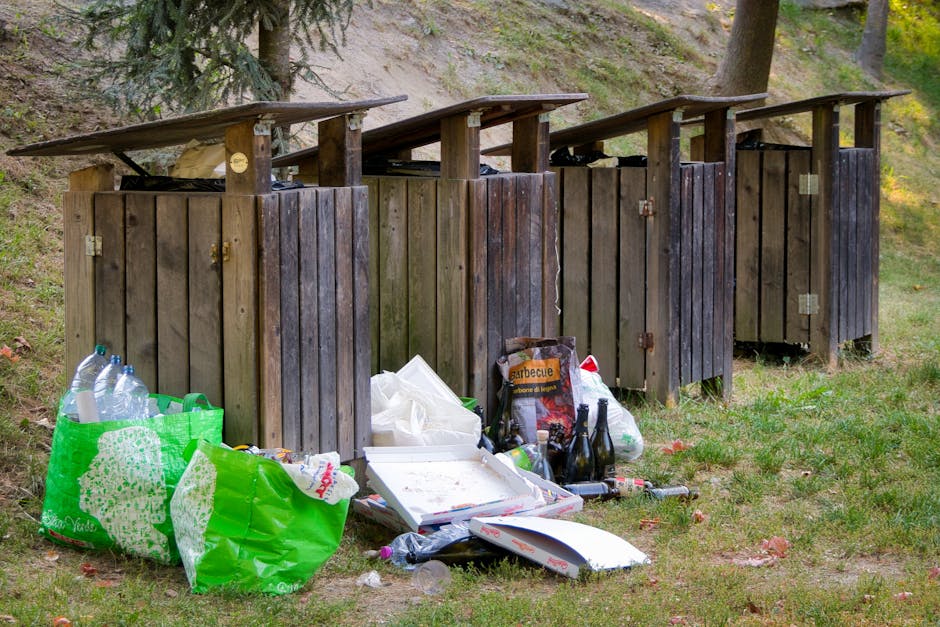
If you live in Bell Green or Sydenham, rubbish can pile up faster than you expect. One week it is a broken chair, next it is garden bags, an old mattress, and a loft full of things you meant to deal with "this weekend". Bell Green Sydenham rubbish collection advice for homeowners is really about making that mess manageable, safe, and cost-effective without turning your driveway or front room into a long-term storage unit.
Homeowners usually want the same few things: a simple process, a fair price, clear timing, and no drama at the kerbside. Sensible waste handling also helps you avoid blocked access, missed collections, overfilled bins, and the sort of last-minute stress that always seems to show up when you have guests coming round. This guide walks through how local rubbish collection works in practice, what to watch for, and how to choose the best route for bulky waste, garden waste, clearance jobs, and everyday household clutter.
At a glance, the best approach is to sort your waste properly, know what can go where, and pick the service that fits the job rather than forcing everything into one bin bag and hoping for the best. Truth be told, that rarely ends well.
- Why it matters
- How it works
- Key benefits
- Who it is for
- Step-by-step guidance
- Expert tips
- Common mistakes to avoid
- Tools, resources and recommendations
- Law, compliance, standards and best practice
- Options and comparison
- Real-world example
- Practical checklist
- Conclusion
- Frequently asked questions
Why Bell Green Sydenham rubbish collection advice for homeowners Matters
Rubbish collection sounds straightforward until you are the one standing in front of a pile of mixed waste wondering what on earth counts as recyclable, what needs special handling, and what should never be left out on the pavement. In Bell Green and the wider Sydenham area, homeowners often deal with a mix of terraced homes, flats, shared driveways, narrow access points, and busy streets. That changes the game quite a bit.
Good rubbish collection advice matters because waste affects more than appearance. It affects safety, hygiene, neighbours, access, pests, and sometimes even your ability to finish a home project on time. A half-cleared garden can attract more mess. A blocked hallway can become a trip hazard. Leftover builders' waste can delay a renovation. And if you put the wrong items out in the wrong way, you may end up with a missed pickup or extra charges. Not ideal.
There is also a confidence factor here. When you know how to dispose of items properly, you are less likely to panic at the last minute, less likely to overpay, and more likely to use the right service for the job. That alone is worth something.
Expert summary: The best rubbish collection plan for a Bell Green homeowner is usually the one that matches the type of waste, the amount of waste, and the access at your property. Simplicity wins. Every time.
If you are arranging a larger clearance, it also helps to understand related services such as house clearance, home clearance, and waste removal, because the right option depends on volume and urgency as much as on the type of rubbish.
How Bell Green Sydenham rubbish collection advice for homeowners Works
For most homeowners, rubbish collection falls into a few simple paths. You may use your regular household collection for everyday waste. You may need a one-off collection for bulky items. Or you may need a specialist clearance for a loft, garage, garden, or renovation spillover. Each route has its own expectations, and the details matter more than people think.
In practical terms, collection usually starts with identifying the waste stream. Is it general household rubbish, furniture, old appliances, garden cuttings, builders' debris, or a mixed load? From there, you decide whether it is something suitable for standard collection, whether it needs pre-sorting, or whether it is better handled through a professional collection team. If you are not sure, that uncertainty is itself a useful signal that you should slow down and check.
For example, a stack of broken shelving, a couple of bagged items, and some cardboard may feel manageable. But once you add plasterboard offcuts, a fridge, and damp carpet, the load becomes more complex. That is where waste categorisation really helps. It can save time, reduce handling problems, and improve recycling outcomes too.
Many homeowners also discover that access is just as important as the waste itself. A clear path to the front door, enough room for lifting, and a practical collection point can make a surprisingly big difference. In a place like Sydenham, where properties vary a lot, a little preparation goes a long way.
Key Benefits and Practical Advantages
There is a very normal tendency to put rubbish collection in the "I'll deal with it later" pile. But once you take care of it properly, the benefits are immediate. The house feels lighter. The garden looks larger. The next project gets easier to start. And, if we are honest, you sleep a bit better knowing the old clutter is no longer staring at you from the corner.
Here are the main practical advantages homeowners usually notice:
- More usable space: Clearing bulky or unwanted items frees up rooms, garages, lofts, and outdoor areas.
- Better safety: Removing trip hazards, sharp items, and unstable piles makes the property easier to move around.
- Cleaner presentation: A tidy frontage matters if you are selling, renting, or simply trying to keep on top of the place.
- Less stress: When waste is dealt with in one organised go, the job stops hanging over you.
- Improved recycling: Sorting items properly gives more materials a chance to be reused or recycled.
- Better project flow: Renovations, decorating, and garden work all run more smoothly when rubbish is removed promptly.
There is a commercial side too, even for homeowners. If you are preparing a property for sale or managing a let, fast rubbish removal can help keep viewings, inventory work, and repairs on track. Little things, big difference.
And if you want a broader service that covers mixed household contents rather than just one type of waste, pages like flat clearance, garage clearance, or loft clearance may be relevant depending on where the clutter has accumulated.
Who This Is For and When It Makes Sense
This advice is useful for a wide range of homeowners, not just people with a major clear-out on their hands. In fact, some of the smartest rubbish decisions happen before things become a full-blown mess.
It makes sense if you are:
- clearing out a spare room, loft, garage, or shed
- replacing furniture or white goods
- tidying after decorating or light renovations
- dealing with garden cuttings after a big seasonal cut-back
- preparing a home for sale, rental, or handover
- managing inherited belongings or a sensitive probate clear-out
- trying to reduce household clutter without making repeated trips to disposal points
It is also relevant if you live in a property with limited storage or awkward access. A top-floor flat with narrow stairs is not the same as a house with a side entrance. A small pile of waste can be manageable in one setting and awkward in another.
To be fair, not everyone needs a full clearance service. Sometimes a few strategic bin runs and a better sorting system are enough. But once bulky items start gathering, or once the clutter starts blocking normal life, the balance shifts quickly.
If your waste is mainly old furniture or mixed household items, it can help to look at furniture clearance or furniture disposal so you can separate what needs collection from what may be reusable or recyclable.
Step-by-Step Guidance
A sensible rubbish collection plan does not need to be complicated. It just needs a few clear steps.
- Identify the waste type. Separate household rubbish, furniture, garden waste, builders' waste, and any hazardous or awkward items.
- Estimate the volume. Is it a few sacks, a van load, or a room's worth of material? Volume affects the best method.
- Check access. Think about stairs, narrow gates, parking, lifting distance, and whether the collection point is easy to reach.
- Sort what can be separated. Cardboard, wood, metal, reusable items, and general waste should not always be mixed if you can avoid it.
- Remove obvious hazards. Put aside sharp edges, broken glass, loose nails, heavy items, and anything damp or mouldy that could complicate handling.
- Choose the right service. Standard waste, bulky item pickup, garden clearance, or full home clearance all suit different situations.
- Get your area ready. Clear the route to the items, protect floors if needed, and make sure someone can answer questions on the day.
- Confirm timing and collection instructions. A ten-minute mix-up here can cost an hour later. Nobody wants that.
A useful habit is to do one quick "last look" the evening before collection. You will always spot one extra item. Somehow there is always one extra item.
If the load involves outdoor waste, garden clearance can be a better fit than trying to mix green waste into a general rubbish job. If the job is tied to a building project, builders waste clearance is often the more practical route.
Expert Tips for Better Results
Most problems with rubbish collection are not dramatic. They are little, avoidable things. That is actually good news, because small adjustments can make a big difference.
- Keep waste dry where possible. Wet items are heavier, messier, and often harder to sort.
- Break down bulky items safely. Flat-packed cardboard, dismantled furniture, and bundled branches usually take up less room.
- Group similar materials together. Wood with wood, metal with metal, cardboard with cardboard. It helps everyone involved.
- Be honest about the volume. Underestimating waste is one of the quickest ways to create delays.
- Think about timing. Early morning collections can work well if you want the job out of the way before the day gets noisy and busy.
- Plan for awkward objects first. Mattresses, wardrobes, and broken appliances often shape the whole job more than the small bags do.
One practical observation from real home clear-outs: the "easy stuff" is rarely the thing that slows you down. It is the one awkward item nobody wanted to measure properly. A sofa that just fits, a wardrobe with no lift path, a branch pile that sheds everywhere... you know the sort.
If you are comparing collection providers, it helps to review how they handle pricing, security, and service terms. A clear explanation of pricing and quotes can make the process a lot less guessy, and that is always welcome.
Common Mistakes to Avoid
Let's face it: most waste problems start with a good intention and a slightly rushed decision. The fix is usually simple, but it helps to know the traps before you step into them.
- Mixing everything together: Mixed loads are harder to process and can reduce recycling options.
- Leaving items out too early: This can create mess, obstruct footpaths, or attract fly-tipping issues in busy areas.
- Forgetting about access: A collection team cannot magic a sofa through a locked gate or a blocked hallway.
- Ignoring special items: Some materials need separate treatment, especially if they are heavy, sharp, or potentially hazardous.
- Guessing the capacity: A job that looked small in the shed can look very different when gathered into one pile.
- Assuming all waste is equal: Garden waste, furniture, and builders' waste often need different handling.
There is also a very human mistake: starting with the most awkward room and then losing steam halfway through. Better to clear the obvious wins first. Build momentum. Then tackle the beast.
Another common issue is not checking whether items can be reused. If a chair or table still has life in it, diversion from disposal may be the smarter choice. Not always possible, of course, but worth asking.
Tools, Resources and Recommendations
You do not need a warehouse of equipment to manage rubbish properly, but a few practical tools make the job easier and safer.
- Heavy-duty sacks: Better for general waste and lighter mixed items than flimsy bags that split at the worst moment.
- Work gloves: Handy for sharp edges, splinters, and dusty loft or garage clear-outs.
- Tape measure: Useful for checking whether bulky items will fit through doors, stairwells, and gates.
- Marker pens and labels: Great for sorting items into reuse, recycle, and dispose piles.
- Dolly or sack truck: Can reduce lifting strain for heavier, stable items.
- Dust sheets or floor protection: Worth using if you are moving items through a finished interior.
For service planning, a few website pages may also help you compare the right type of collection for the job. If you are dealing with a full property clear-out, you may find house clearance useful. If the job is smaller and more focused, garage clearance or flat clearance might be a better fit. For ongoing waste from a business or mixed premises, business waste removal is the more relevant route.
For general company information and service standards, it can also help to review about us and the site's health and safety policy before making a decision. Those pages usually tell you a lot about how seriously a provider takes the job.
Law, Compliance, Standards, or Best Practice
Waste handling in the UK carries responsibilities, even for homeowners. You do not need to memorise every rule, but you should understand the principle: waste should be stored, sorted, and handed over responsibly, and you should be careful about who takes it away.
Best practice usually includes:
- ensuring waste is not left in a way that creates obstruction or nuisance
- checking that any collection provider operates responsibly and can explain how waste is handled
- keeping records or receipts where practical, especially for larger clear-outs
- separating items that may need special handling
- being cautious with unknown operators or suspiciously cheap offers
That last point matters more than people think. If a collection price looks far too good to be true, it sometimes is. And once your waste leaves your property, you still want confidence that it will be dealt with properly. A responsible provider should be able to speak clearly about process, safety, and disposal standards.
If sustainability matters to you, look at how a provider approaches reuse and recycling. The difference between simply removing waste and handling it thoughtfully can be significant. You can also read more about recycling and sustainability for a sense of how better waste decisions support a cleaner result overall.
For payment clarity and peace of mind, the pages on payment and security and terms and conditions can be useful reading too. Nobody enjoys fine print, but it does matter. A lot.
Options, Methods, or Comparison Table
Different rubbish collection methods suit different household jobs. The right choice usually comes down to waste type, access, urgency, and how much sorting you are willing to do yourself.
| Method | Best for | Pros | Watch-outs |
|---|---|---|---|
| Routine household collection | Everyday waste and standard bin usage | Simple, familiar, low effort | Not suitable for bulky or special items |
| Bulky item collection | Sofas, mattresses, wardrobes, appliances | Convenient for large single items | Access and item restrictions can apply |
| Garden clearance | Branches, soil, hedge cuttings, green waste | Good for seasonal tidy-ups and landscaping jobs | Wet or mixed loads can increase complexity |
| Builders' waste clearance | Renovation debris, rubble, offcuts, packaging | Useful after decorating or repairs | Often requires clearer sorting and careful handling |
| Full house or home clearance | Whole-room or whole-property clear-outs | Fast, comprehensive, less stress | Needs good planning and a clear scope |
If your home project is broader than a few bin bags, the table above is a decent starting point. For instance, a garage full of mixed items might lean toward garage clearance, while a renovation would be better handled with builders waste clearance. Simple enough, really.
Case Study or Real-World Example
Consider a typical Bell Green homeowner clearing a two-bedroom terrace after a long period of "we'll sort that later." The job includes a broken wardrobe, a pile of cardboard from furniture deliveries, some old garden furniture, a few bags from the airing cupboard, and a corner of the loft that somehow became home to half a Christmas market's worth of forgotten items.
At first glance, it feels like one job. In practice, it is three: indoor clutter, bulky furniture, and garden waste. The homeowner starts by pulling everything into separate zones on the drive and in the garden. Cardboard goes one side, reusable bits another, and the rest is split by material where possible. They measure the wardrobe before collection day, check the path from the front room to the exit, and move the lighter bags first so the heavy item is easier to handle. Simple planning. Big difference.
Because the load is mixed, a general rubbish pickup would not be the cleanest solution. A combination of furniture disposal, garden clearance, and broader home clearance guidance works better. The result is less wasted time, a clearer collection process, and fewer surprises on the day. More importantly, the house feels usable again. You can walk through the hallway without side-stepping a pile, which, to be fair, is the whole point.
This is the kind of project where thoughtful sorting pays off. It also shows why one-size-fits-all advice is rarely enough for real homes.
Practical Checklist
Use this checklist before arranging rubbish collection for your home:
- Identify the waste type: household, bulky, garden, builders', or mixed
- Estimate how much there is, in bags, items, or approximate load size
- Separate reusable items from true waste where possible
- Keep hazardous or sharp materials apart
- Measure large items before collection day
- Check access routes, stairs, gates, and parking space
- Protect floors or surfaces if items will pass through the house
- Confirm timing and any special instructions in advance
- Make sure the collection area is clear and safe
- Ask how items will be handled, recycled, or disposed of
If you can tick off most of the list, you are already ahead of the game. The collection itself tends to go much more smoothly when the prep is done well. And yes, the prep is usually the part people want to skip.
Get a free quote today and see how much you can save.
Conclusion
Bell Green Sydenham rubbish collection advice for homeowners comes down to one simple idea: match the waste to the right method, prepare properly, and do not leave the job to chance. That means understanding what you have, how much of it there is, and whether you need a standard collection, bulky removal, or a more complete clearance service.
The homes in this part of London are varied, which is exactly why flexible, practical waste planning matters. A little organisation can save you time, money, and a lot of frustration. It also helps keep the property safer, tidier, and easier to live in. Not glamorous, perhaps, but very real.
If you are still unsure where your waste fits, start with the simple questions: what is it, how much is it, and how easy is it to remove? Answer those well, and the rest usually falls into place. One sensible step at a time.
And when the last bag is gone and the floor is finally clear, that quiet feeling of relief is hard to beat.
Frequently Asked Questions
What is the best rubbish collection option for a homeowner in Bell Green or Sydenham?
The best option depends on the type and amount of waste. Everyday bin waste can usually stay with routine collection, while bulky items, garden waste, or mixed household clutter often need a specialist pickup or clearance service.
Can I mix furniture, garden waste, and general rubbish in one collection?
Sometimes yes, but it is not always the most efficient choice. Mixed loads can be harder to process and may reduce recycling opportunities. If you can separate items by type, it usually makes the job smoother.
How do I know if I need house clearance rather than simple rubbish removal?
If you are clearing multiple rooms, dealing with a full property, or moving a large volume of belongings, house clearance is often the better fit. For a smaller pile of waste or a few large items, rubbish removal may be enough.
What should I do with old mattresses or sofas?
Bulky furniture usually needs a specific collection method. Items like mattresses and sofas are awkward to move and store, so it is best to plan them separately and check whether a furniture disposal or furniture clearance service suits the job better.
Is garden waste treated differently from other household rubbish?
Yes, usually. Garden cuttings, branches, soil, and other green waste often benefit from being collected separately. A dedicated garden clearance approach can make the process cleaner and more efficient.
How far in advance should I arrange rubbish collection?
As early as possible, especially if you have a tight schedule or a lot of waste. A same-week job is sometimes possible, but a bit of notice gives you more flexibility and fewer headaches.
What happens if my access is difficult, like narrow stairs or limited parking?
That is common in many Bell Green and Sydenham homes. Just be upfront about it. Difficult access affects planning, loading time, and sometimes the best method of collection. Clear details help avoid problems on the day.
Can I leave rubbish outside the house before collection day?
Only if it is safe, appropriate, and in line with the agreed collection arrangement. Leaving waste out too early can create mess, obstruct neighbours, or attract unwanted attention. Timing matters more than people think.
How can I reduce the cost of collection?
Sort items before collection, remove anything reusable, separate different waste types where possible, and be accurate about the amount. Clear access and good preparation can also help keep the job efficient.
Is it worth comparing quotes for rubbish collection?
Yes. Quotes help you understand the scope of the job, the likely timing, and what is included. A clear pricing breakdown is especially useful if your waste is mixed or bulky.
Do I need to check anything about safety or insurance?
For larger or trickier jobs, yes. It is sensible to understand how a provider handles safety, lifting, and property protection. Pages such as insurance and safety, health and safety, and terms can give useful reassurance before you book.
What if I only have a small amount of waste?
If it is genuinely small, your regular household collection or a simple tidy-up may be enough. The trick is to avoid overcomplicating the job. But if those few items are bulky, sharp, or awkward, a specialist service may still be the safer choice.